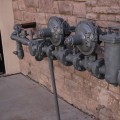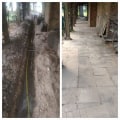
Property owners frequently discover that utility upgrades and exterior surface improvements naturally go hand in hand. Whether upgrading water lines, sewer systems, electrical conduits, drainage systems, or gas connections, these projects often require excavation work that impacts driveways, sidewalks, patios, and surrounding concrete surfaces. Once sections of a property are opened for underground access, many homeowners and commercial property managers decide it makes sense to address surface deterioration at the same time rather than scheduling separate projects later. This approach can improve efficiency, reduce long-term costs, and minimize repeated disruptions to the property. Utility upgrades are often viewed as opportunities to modernize both the functional and visual aspects of a property at once. Instead of repairing aging infrastructure while leaving cracked or uneven surfaces untouched, property owners commonly use the project timeline to restore the surrounding exterior areas and improve overall curb appeal.
Surface Damage Often Becomes More Noticeable During Utility Work
Excavation and underground repairs frequently reveal existing issues with exterior surfaces that may have been ignored for years. Driveways may already contain cracks caused by shifting soil, sidewalks may have become uneven due to drainage problems, and patios may show signs of water damage or surface wear. Once contractors begin utility upgrades, these flaws often become more visible and difficult to overlook. In many cases, old utility systems may have contributed to moisture buildup beneath concrete surfaces, causing gradual deterioration over time. Property owners realize that replacing underground systems without improving the damaged surfaces above them could lead to future maintenance concerns or additional repair expenses later. As a result, many choose to coordinate surface restoration work while equipment and contractors are already on-site. This combined approach allows projects to move more smoothly while helping ensure the property is fully restored both structurally and visually once the work is complete.
Improved Drainage and Accessibility Add Long-Term Value
Another reason utility upgrades are commonly paired with exterior surface improvements is because both projects often support better drainage and safer property access. Utility modernization may involve improving stormwater management systems, adjusting grading, or replacing outdated pipes that previously caused standing water issues. At the same time, repairing or resurfacing concrete areas helps direct water away from structures more effectively and reduces the risk of erosion or pooling around the property. Companies specializing in concrete repair and restoration, including Concrete Revival, are often involved after utility work to restore damaged surfaces and improve long-term durability. Smooth, properly graded exterior surfaces not only enhance appearance but also create safer walking and driving conditions for residents, customers, or visitors. Uneven sidewalks and deteriorating driveways can become liability concerns if left unaddressed, especially on commercial properties or multi-unit residential sites. Combining these improvements into one coordinated project often results in a more efficient and practical investment overall.
Coordinated Projects Help Reduce Future Disruptions
Property owners also appreciate the convenience of handling multiple improvements at once. Utility projects already involve construction equipment, temporary access restrictions, and disruptions to daily routines, so many prefer completing exterior surface repairs during the same timeline instead of repeating the process months later. Coordinating both projects together can reduce labor duplication, simplify scheduling, and limit the amount of time a property remains under construction. In addition, completing utility and surface upgrades simultaneously often improves the overall lifespan and functionality of the property because all related systems are addressed together rather than in separate phases. Contractors and property managers frequently recommend this strategy because it creates a more cohesive final result and helps prevent newly restored surfaces from being disturbed again by future underground work. By combining utility upgrades with exterior surface improvements, property owners can improve infrastructure reliability, enhance curb appeal, and create a safer, more durable environment for years to come.